
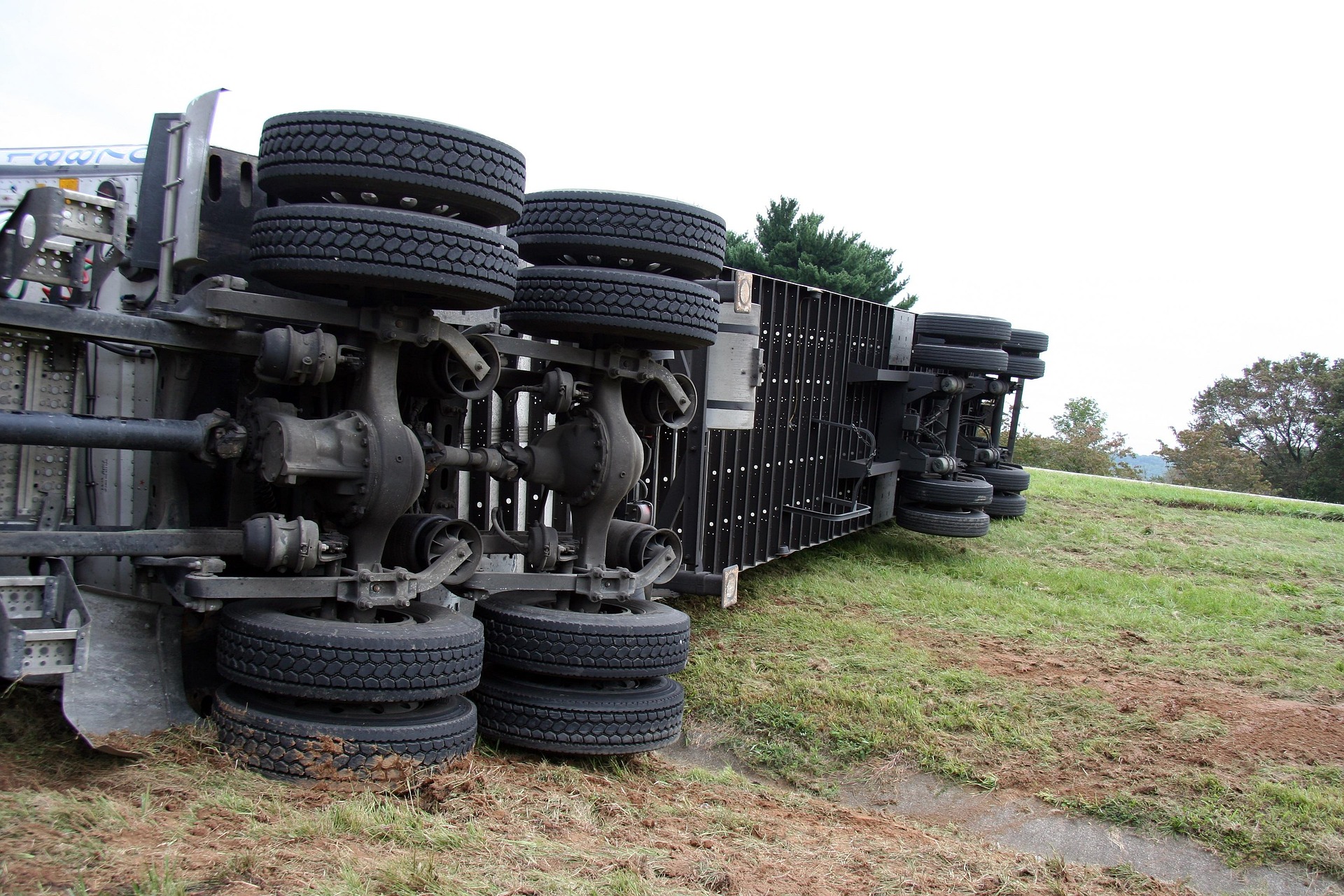
Evidence plays a critical role in determining the outcome of a commercial truck accident claim, as it helps establish liability, clarify the sequence of events, and support the extent of damages suffered. Key forms of evidence often include driver logs, black box data, surveillance footage, witness statements, and maintenance records, all of which can significantly influence the strength of a case. Without clear and well documented evidence, proving negligence becomes far more challenging, potentially weakening a claimant’s position during negotiations or litigation. In complex cases, working with an accident lawyer in Las Vegas can help ensure that crucial evidence is properly gathered, preserved, and presented. This article explores how evidence can make or break a commercial truck accident claim and why it is essential for achieving a fair legal outcome.
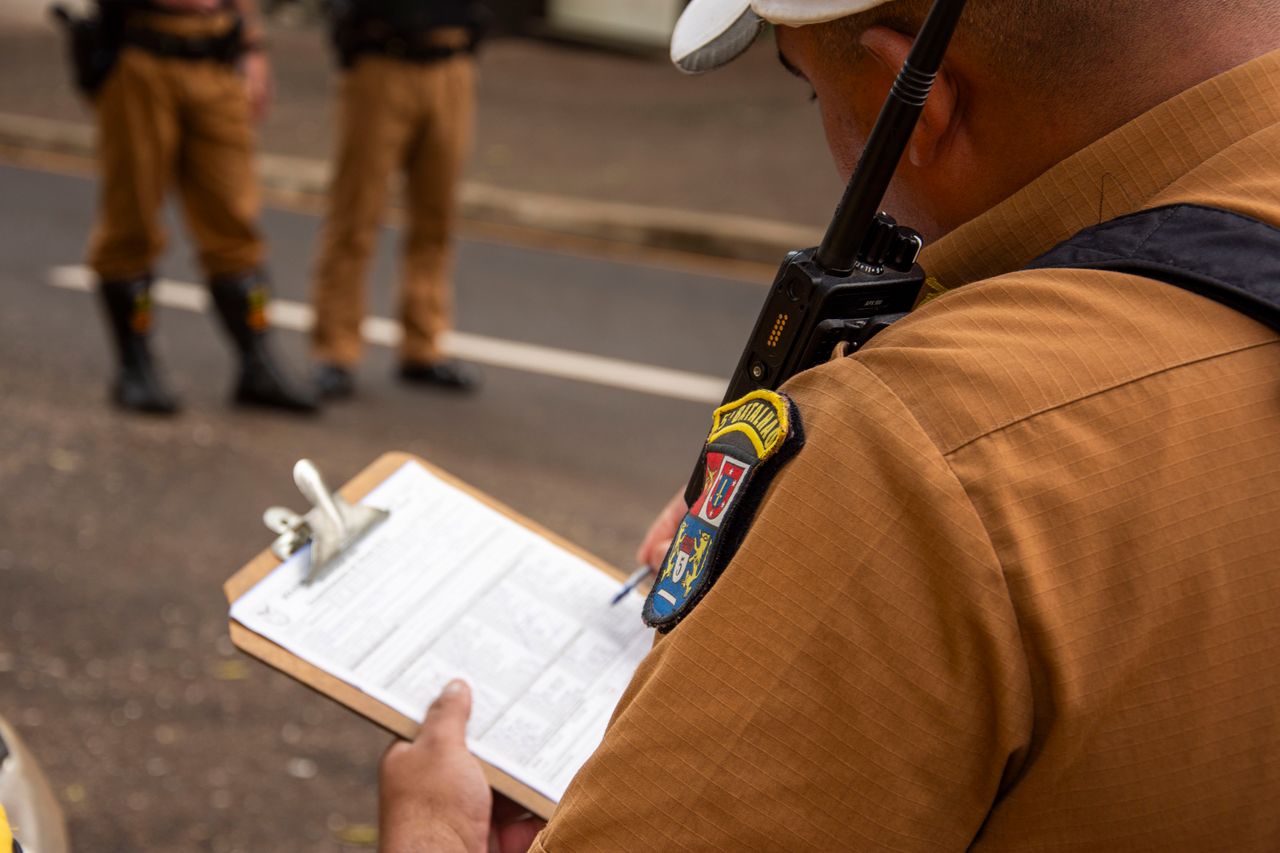
Why Evidence Is So Important in Truck Accident Cases
Evidence serves as the foundation of any truck accident claim. Insurance companies and legal teams rely on facts rather than assumptions when evaluating liability and damages. Commercial trucking cases often involve large corporations with substantial resources and legal representation. These companies may dispute claims or attempt to shift responsibility to other parties.
Proper evidence helps establish exactly what happened before, during, and after the collision. Photographs from the accident scene, police reports, vehicle damage assessments, and medical records can provide valuable insight into the circumstances surrounding the crash. In many cases, trucking companies maintain records that reveal whether drivers complied with safety regulations. When this evidence supports the injured party’s account, it can strengthen the claim and increase the likelihood of a favorable settlement or court decision.
The Types of Evidence That Can Strengthen a Claim
Truck accident investigations often require a wide range of evidence. Electronic logging devices can show how many hours a driver spent on the road before the crash. These records may reveal violations of federal driving limits that contribute to fatigue-related accidents. Maintenance records can uncover neglected repairs or safety issues that may have contributed to the collision. Black box data is another valuable source of information.
Many commercial trucks are equipped with devices that record speed, braking activity, and other operational details. Surveillance footage from nearby businesses or traffic cameras may provide an unbiased view of the accident. Witness statements can also help verify key facts and support claims regarding driver behavior or road conditions. An experienced legal professional, such as a UPS Truck Accident Lawyer, understands how to identify and preserve critical evidence before it is lost or destroyed. Early action is often essential because some records may only be retained for a limited period.
How Missing Evidence Can Hurt a Case
A lack of evidence can create uncertainty, weakening a claim. Insurance companies often look for inconsistencies or gaps in documentation to challenge liability or reduce compensation. If important records are unavailable, it may become difficult to prove that a trucking company failed to follow regulations or that a driver’s actions directly caused the accident. Missing medical documentation can also impact the value of a claim. Without clear records linking injuries to the collision, insurers may argue that the injuries were preexisting or unrelated. Delays in gathering evidence can make it harder to locate witnesses, obtain video footage, or preserve physical evidence from the crash scene. These challenges highlight why immediate documentation is so important after a truck accident.

The Role of Legal Representation in Evidence Collection
Building a strong truck accident case often requires legal knowledge and investigative resources. Attorneys can work with accident reconstruction experts, obtain company records, and issue preservation requests to prevent evidence from being destroyed. They understand the regulations governing commercial trucking and know how to identify violations that may support a claim. Legal professionals also handle communication with insurance companies and opposing counsel, ensuring evidence is properly presented throughout the claims process. Their ability to gather and organize information can significantly increase the likelihood of a fair outcome for injured victims and their families.
Evidence is one of the most important factors in any commercial truck accident claim. It helps establish liability, prove damages, and counter arguments from insurance companies and trucking corporations. From black box data and maintenance records to medical reports and witness testimony, every piece of evidence can contribute to the overall strength of a case. Acting quickly to preserve and collect this information can make the difference between a successful claim and a denied one. For anyone involved in a commercial truck accident, understanding the value of evidence is an essential step toward protecting their legal rights